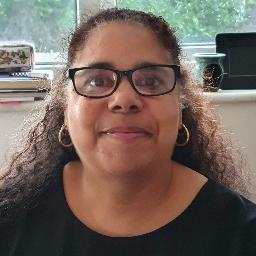
Counsellor profile United Kingdom
Cecile Terrelonge, BACP
Counsellor - stress and relationships
See online counselling optionsMembership as listed
- Professional body
- BACP
- Membership number
- 112253
- Experience
- 18 years
- Languages
- English
- Based in
- United Kingdom
Shown as the counsellor listed it. This site does not check memberships. Search the BACP Register to confirm it.
- Person centred
- Attachment work
- Mindfulness
About Cecile
Cecile Terrelonge is a counsellor and a BACP member with 18 years of practice. She works with issues such as stress, anxiety, depression, relationship concerns, trauma and abuse, addiction, grief and identity questions. Sessions are structured as 50 minutes, usually at the same day and time each week, and can be short or longer term.
Cecile uses a person‑centred approach that puts the client’s concerns at the centre of the work. She aims to help people talk through feelings and gain clarity about what matters to them. Sessions focus on what clients can do next rather than on labelling or diagnosing a condition.
Her background includes setting up and managing a voluntary youth counselling service for young people aged about 11 to 25. She has also provided support to LGBTQ+ clients via the Black Trans Foundation and appears on the Gendered Intelligence therapist directory after completing a two‑day course on working alongside trans, gender diverse and questioning people.
Cecile has experience helping people with a wide range of issues, including ADHD, attachment and abandonment concerns, bereavement, chronic illness and pain, body image and caregiver stress. She also works with intimacy and parenting matters and with people facing career‑related stress and life changes.
Sessions normally run weekly for 50 minutes and can accommodate people who work shifts when changes are agreed in advance. Costs vary with location and sessions use a subscription model that can be cancelled at any time. To begin, clients use the site button to complete a short matching questionnaire and then schedule a first session.
How her approaches work in online counselling
Attachment‑based work looks at patterns in close relationships and how past attachments affect present feelings and actions. It can help with difficulties such as abandonment, attachment concerns and repeated relationship problems. Client‑centred therapy focuses on the client’s experience and aims to support their own understanding and choices. This approach is useful for issues like low self‑esteem, anxiety and depression where simply being heard and reflected back can clarify next steps. Emotionally‑focused ideas are used to notice and name feelings in the moment and to work on how emotions shape interactions. These methods often help with intimacy issues, grief and relationship distress. Finding the right approach is part of the work. The counsellor will talk with the client about their needs, goals and preferences and agree a way forward that fits those aims. That decision is collaborative and can be reviewed as therapy continues. Confirm the available session formats before booking as the biography does not specify every delivery option. Online work can make it easier to fit counselling into a busy week, reduce travel time and allow sessions during a lunch break or between commitments. Telephone sessions may be useful when a shorter check‑in is needed, and video sessions support face‑to‑face conversation without travel. Registered or accredited professionals often offer a range of options, so check which are provided when you arrange the first appointment.Areas of expertise
Primary focus
Also works with
Additional focus areas
Therapeutic approaches
Experience
18+ years
Listed in
United Kingdom
Languages
English
Frequently asked questions
What issues does she commonly help with?
She works with stress, anxiety, depression, relationship problems, trauma and abuse, addictions, grief and a wide range of related concerns such as ADHD and body image.
How would you describe her therapeutic style?
Her practice is person centred, focusing on the client’s experience and what they can do next. She also draws on attachment and emotionally focused ideas and mindfulness techniques.
How long has she practised?
She has 18 years of experience working in counselling roles, including running a youth counselling service for 11 to 25 year olds.
Is she a member of a professional body and where does she work?
She is a member of BACP and practises in the United Kingdom.
Which languages are sessions offered in?
Sessions are offered in English.
Does she work with international clients?
International clients are not currently accepted.
What are the session formats and how long are they?
Sessions are 50 minutes and usually scheduled the same day and time each week. Confirm the current session formats before booking.
How do I get started with a first appointment?
Use the See online counselling options button, complete the short matching questionnaire and then schedule a first session.
Details come from information the counsellor supplied to BetterHelp. This site does not check memberships: the BACP Register is the place to confirm one.